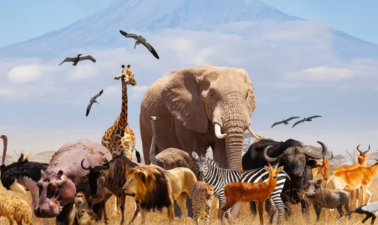

In the field of environment and ecology, protecting wildlife is a task of paramount importance. Wild animals are an essential component of ecosystems, playing an irreplaceable role in maintaining ecological balance and providing ecosystem services. The extinction of wildlife causes severe damage to ecosystems. For example, some animals may be pollinators or seed dispersers for plants; their disappearance affects plant reproduction and growth, thus impacting the stability of the entire ecosystem. Wild animals also control pest populations, maintaining ecosystem balance. Furthermore, wildlife is a vital manifestation of biodiversity; protecting wildlife is protecting the Earth's biodiversity. Protecting wildlife is about enabling humans to better survive in nature. This perspective is anthropocentric and addresses the issue from an ethical standpoint. It can be understood as ensuring the well-being of all living things in nature. For wildlife to thrive, humans must be provided for their survival; conversely, for humans to thrive, wildlife must be provided for their survival. If wildlife does not thrive, the Earth's biodiversity is lost, and humanity will not live well either, perhaps even facing greater challenges. The reason is that humans are a species living on this blue planet. If humans want to survive, they must rely on other organisms and together with all living things form a biosphere.